2026年11月3日
Wholesale Baby Shoes: How to Choose Styles That Sell
Learn how to choose wholesale baby shoe styles for your market. Explore product categories, size planning, sample evaluation, and low-risk first orders.
Wholesale Baby Shoes: How to Choose Styles That Sell
Choosing the right baby shoes for your wholesale business is about more than finding attractive designs. Successful product selection requires an understanding of your customers, target price points, sizing needs, and inventory risks.
Whether you operate a baby boutique, an online store, or a growing children's footwear brand, a thoughtful buying strategy can help you build a product range that meets your customers' needs.
1. Understand Your Target Customers
Before choosing styles, identify who will buy your products.
Consider the following questions:
- Are your customers shopping for newborn gifts, pre-walker shoes, or first walking shoes?
- Do they prefer simple, neutral designs or colorful patterns?
- Are they looking for everyday footwear, seasonal products, or special-occasion styles?
- What retail price range fits their expectations?
A boutique serving gift buyers may need a different product assortment from an online retailer focused on practical everyday baby shoes.
Start with your customer profile rather than choosing products based only on personal preference.
2. Build a Balanced Product Collection
Instead of ordering many similar designs, consider building a small collection with complementary styles.
Everyday Basics
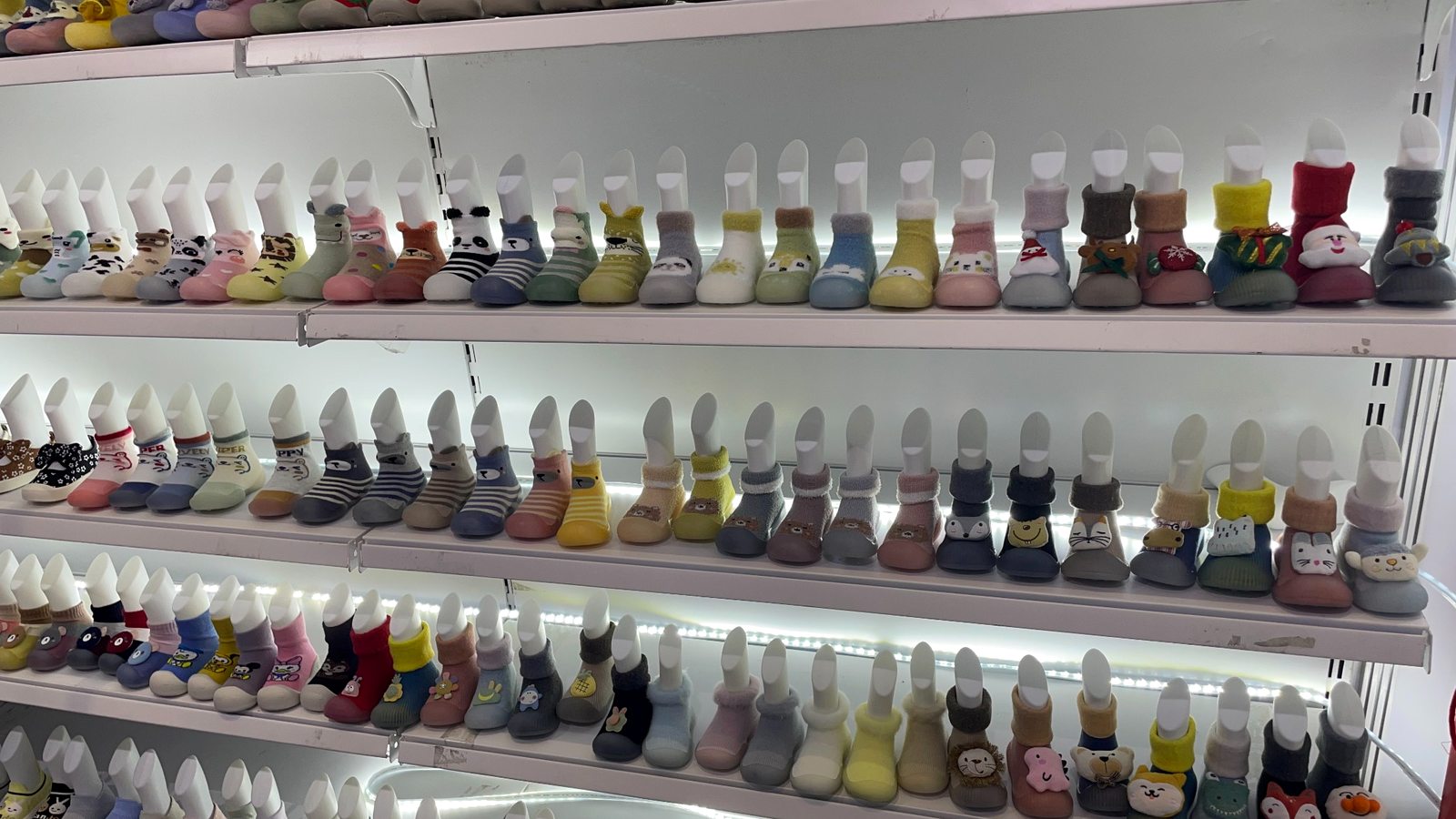
Neutral colors and simple designs can form the foundation of a baby shoe collection. They are easy to coordinate with different outfits and may appeal to customers looking for practical footwear.
Colorful and Playful Styles
Animal patterns, cheerful colors, and decorative details can help a collection stand out.
These styles may be particularly useful for gift-oriented retailers and stores that rely on visually appealing product photography.
Seasonal Styles
Product demand can vary depending on climate, local seasons, and customer preferences.
Consider material, coverage, breathability, and intended use when choosing seasonal products.
Different Developmental Stages
Pre-walker and first-walker products serve different needs. Make sure each style is described according to its intended use, rather than treating all baby shoes as interchangeable.
3. Choose Colors Strategically
Offering every available color is not always necessary.
For an initial collection, consider a mix of:
- Neutral colors for everyday use
- Soft pastel shades
- A limited number of brighter statement colors
Review your existing customer data whenever possible. A color that performs well in one market may not be equally popular in another.
For new retailers, testing a focused selection may be more useful than committing to every color immediately.
4. Plan Your Size Breakdown Carefully
A popular design can still become a slow-moving product if the size distribution does not match customer demand.
Before placing an order, ask your supplier for:
- Available sizes and corresponding internal shoe lengths
- Product-specific measurement instructions
- Size availability by style and color
- Whether mixed sizes are permitted
- Any differences between size charts for different designs
Avoid assuming that the same printed size always represents the same internal length across different footwear styles.
5. Evaluate Samples Before Ordering
Product photos are useful for initial selection, but physical samples can reveal important details.
When evaluating baby shoes, consider:
- Material feel and construction
- Finishing and stitching
- Sole design and flexibility appropriate to the intended use
- Fit and internal measurements
- Packaging and overall presentation
Check samples against your target market's applicable product requirements. Do not assume that a sample's appearance alone establishes compliance or suitability.
6. Reduce Risk with a Focused First Order
For new retailers, a smaller initial assortment can help identify customer preferences before expanding inventory.
Rather than purchasing a large number of untested styles, consider starting with a few product categories and monitoring their performance.
At Hangzhou Huanyan, many ready-stock baby shoe styles have a minimum order quantity starting from 20 pairs per style, subject to current inventory and product availability.
This can give wholesale buyers an opportunity to explore available styles without immediately committing to a large custom development project.
Private label requirements and fully customized OEM projects have different minimum quantities.
7. Compare Suppliers Beyond Price
The lowest quotation does not always represent the best purchasing decision.
When comparing baby shoe suppliers, consider product consistency, communication, size information, order requirements, and delivery arrangements.
A reliable sourcing partner should be able to explain the available options and clarify which details require confirmation before an order is placed.
For a more detailed supplier evaluation checklist, read How to Find a Reliable Baby Shoes Manufacturer in China.
8. Review Sales Before Expanding Your Collection
After launching your first assortment, track performance by style, color, and size.
Look at which products generate repeat purchases, which sizes sell fastest, and which designs receive customer interest but convert poorly.
Use this information to guide future purchasing decisions rather than relying only on trends or supplier recommendations.
Explore Wholesale Baby Shoes with Hangzhou Huanyan
Hangzhou Huanyan supplies a range of baby footwear styles for wholesale buyers, retailers, and children's footwear brands.
We can help you explore available ready-stock products and discuss sourcing requirements, order quantities, and customization options.
Ready to build your baby shoe collection?
Contact Us to request our latest product catalog, check current availability, and discuss your wholesale requirements.